
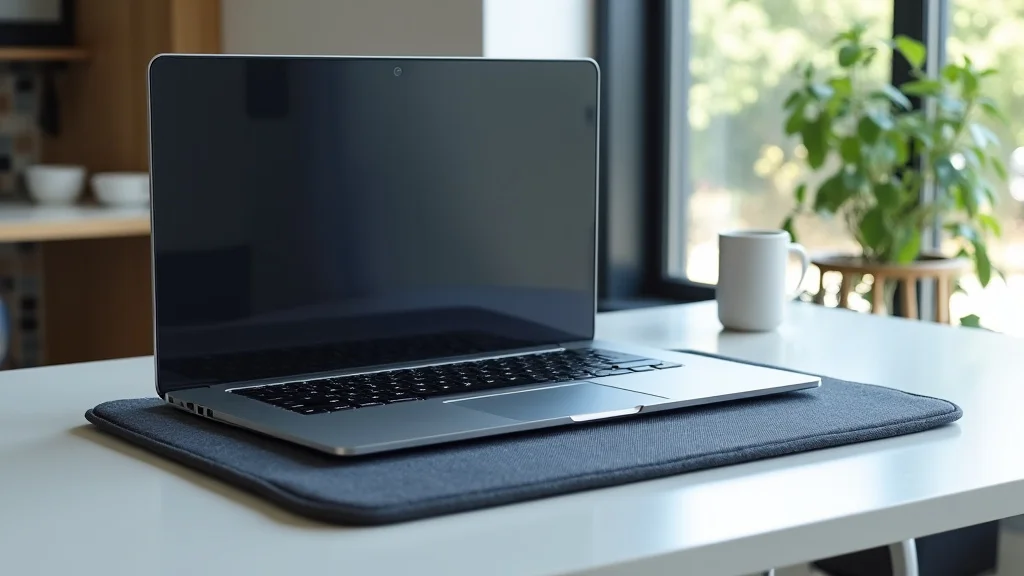
Remember that time you tried to work on your laptop while lounging on the couch, only to feel your legs start to cook? Or maybe you were in bed, attempting to finish a project, and the heat from your machine was simply unbearable. You’re not alone! Many people experience this uncomfortable situation. This guide is all about finding relief and making your laptop cooling pad for lap a vital part of your tech setup. We’ll explore the best options, explain how they work, and help you find the perfect one for your needs, boosting your productivity and comfort. You will explore features, functions, and benefits of different cooling solutions for your computer, saving you time and giving you a clear path to a cooler, more comfortable computing experience.
Key Takeaways
- Learn how a laptop cooling pad for lap works to prevent overheating.
- Discover the benefits of using a cooling pad for your laptop’s performance.
- Find out which features to look for when choosing a cooling pad.
- Get tips on maintaining and caring for your laptop cooling pad.
- Understand the different types of cooling pads and their intended uses.
- Explore common myths about laptop cooling and how to counter them.
Why Your Laptop Needs a Cooling Pad
Laptops, powerful as they are, generate a significant amount of heat. This heat is a byproduct of the processing power needed to run applications, browse the web, and perform other tasks. Without proper heat management, this warmth can build up inside the device, potentially damaging internal components and causing performance problems. You might notice your laptop slowing down, freezing, or even shutting down unexpectedly. A laptop cooling pad for lap is designed to mitigate these issues, offering a crucial layer of protection for your valuable device.
The Science Behind Laptop Overheating
The core components of a laptop, such as the CPU (Central Processing Unit) and GPU (Graphics Processing Unit), are the primary heat producers. These components are densely packed within the laptop’s chassis, meaning that the heat generated can easily become trapped. The laptop’s internal cooling system, which usually includes fans and heat pipes, is intended to dissipate this heat. However, the system is less effective when the device is placed on soft surfaces like a bed or couch, or when the external vents are blocked. This can quickly escalate the temperature, reducing efficiency and potentially leading to component failures.
- The CPU’s Role: The Central Processing Unit acts as the brain of your laptop, and as such, processes a great deal of data and commands. This constant work generates substantial heat, which needs to be managed effectively.
- The GPU’s Contribution: The Graphics Processing Unit handles visuals, making it crucial for gaming, video editing, and other graphics-intensive tasks. This component often runs at high temperatures, and its optimal function is highly affected by heat.
- Heat Pipe and Fan Limitations: Laptops have integrated cooling systems using fans and heat pipes to move heat away from components and out of the machine. The performance of these systems is limited, especially when the laptop sits on soft surfaces, hindering heat dissipation.
The Impact of Heat on Laptop Performance
Overheating can cause a variety of performance issues. These issues directly affect the user experience, often in the most inconvenient moments. Addressing these concerns through effective cooling solutions, like a laptop cooling pad for lap, is essential for maintaining a positive user experience. Reduced efficiency and productivity are two major impacts caused by laptop overheating.
- Reduced Processing Speed: Overheating causes your laptop’s CPU and GPU to throttle, reducing their operating speed to prevent damage. This leads to slower performance, lagging applications, and an overall sluggish experience.
- System Instability: Extremely high temperatures can cause system crashes, data loss, and even hardware failures. This can be disastrous, leading to lost work and potentially irreparable damage to your machine.
- Shorter Battery Life: Heat can impact the lifespan of your laptop’s battery. Constant exposure to high temperatures can degrade the battery’s capacity, forcing users to replace their batteries sooner.
- Physical Discomfort: While not a performance issue, the warmth of an overheated laptop can be uncomfortable, making it difficult to work for extended periods.
Laptop Cooling Pad Types and Technologies
There are several types of laptop cooling pads, each using different technologies to keep your device cool. Selecting the right type depends on your specific needs, the size of your laptop, and how you typically use it. Some are simple and inexpensive, while others provide advanced features, like customizable fan speeds and extra USB ports. Understanding the options available will help you select the most effective cooling solution.
- Fan-Based Cooling Pads: These are the most common type. They use one or more fans to circulate air, drawing heat away from the laptop’s base. They often have an angled design for ergonomic comfort.
- Passive Cooling Pads: These pads typically use a heat-conducting material, such as aluminum, to draw heat away from the laptop. They don’t have fans and are generally quieter but may not be as effective as fan-based models.
- Vapor Chamber Cooling Pads: These are more advanced and less common. They use a sealed chamber containing a liquid that absorbs heat and converts to vapor, which then condenses to release heat. They are highly efficient but more expensive.
- Combination Cooling Pads: Some cooling pads combine features, such as fans and heat-conducting materials, for a more comprehensive cooling solution.
Features to Consider When Choosing a Laptop Cooling Pad for Lap
When selecting a laptop cooling pad for lap, several features can significantly enhance its effectiveness and usability. Considering these aspects will help you find a pad that best fits your needs, budget, and work environment. From fan configurations to ergonomic designs, choosing the proper attributes can dramatically increase the benefits you experience.
Fan Configuration and Performance
The number, size, and speed of the fans are critical factors in a cooling pad’s performance. More fans and higher speeds don’t always mean better cooling. Noise levels and power consumption should also be taken into consideration.
- Number of Fans: Cooling pads can have one to multiple fans. Generally, more fans provide better coverage and cooling, especially for laptops that run hot or have larger sizes.
- Fan Size: Larger fans typically move more air at lower speeds, resulting in better cooling and reduced noise. The fan size should be appropriate for the size of your laptop.
- Fan Speed Control: Many cooling pads have adjustable fan speeds, allowing you to control the balance between cooling performance and noise. This is particularly helpful for different operating conditions or situations.
- Airflow Direction: Ensure the cooling pad directs air in the proper direction. Most pads pull air from the bottom and exhaust it outwards, while others blow air upwards.
Ergonomics and Design
Besides its cooling capabilities, a laptop cooling pad should also be comfortable to use. Considering its design, materials, and features is essential to find a pad that allows for a relaxed and healthy posture while working. Ergonomic considerations contribute significantly to overall user satisfaction.
- Tilt Angle and Height Adjustment: An adjustable tilt angle can improve your posture and reduce strain on your neck and back. Some pads have multiple settings for optimal comfort.
- Non-Slip Surface: A surface that prevents your laptop from sliding is crucial. Look for rubberized or textured areas to secure your device.
- Material and Build Quality: High-quality materials like aluminum or durable plastics not only extend the cooling pad’s life but also contribute to better heat dissipation.
- Portability and Size: Consider the size and weight of the cooling pad, especially if you plan to travel with it.
Additional Features and Compatibility
Extra features can enhance the overall functionality of a laptop cooling pad. USB ports, LED lights, and built-in controls add convenience and style. Make sure the pad is compatible with your laptop’s size and specifications.
- USB Ports: Extra USB ports are a great addition, allowing you to connect peripherals such as a mouse or external hard drive without using up your laptop’s USB ports.
- LED Lights: Some cooling pads have LED lights, which can add a visual appeal and help with visibility in low-light environments.
- Noise Level: Consider the noise level, especially if you work in a quiet environment. Look for pads with quiet fans or adjustable speeds.
- Laptop Size Compatibility: Make sure the cooling pad is designed to fit your laptop’s size, accounting for both width and depth. Some pads are specifically sized, while others can support multiple sizes.
Setting Up and Using Your Cooling Pad
Setting up and using a laptop cooling pad for lap is easy. It typically involves a few simple steps to get you started. Ensure it’s correctly placed and properly connected to maximize its effectiveness. Regular maintenance and proper use will extend the life and usefulness of the cooling pad.
Initial Setup and Placement
Correct placement and setup will ensure your cooling pad is effective. A simple initial configuration is the key to optimal performance.
- Unpack and Inspect: Remove the cooling pad from the box and inspect it for any damage. Check all components to ensure everything is included.
- Position the Pad: Place the cooling pad on a flat, stable surface. For optimal use, it should rest on your lap, a desk, or another suitable location.
- Secure Your Laptop: Place your laptop on the cooling pad, ensuring it’s secure. Make sure your laptop’s vents are not blocked.
- Connect the Power: Plug the cooling pad’s USB connector into a USB port on your laptop.
- Adjust Settings: If the cooling pad has adjustable features, such as fan speed or tilt angle, configure them to your preferences.
Maximizing Cooling Pad Effectiveness
Make sure you use your cooling pad effectively to get the best cooling performance. Some practices can improve the performance of your cooling pad even more.
- Ensure Proper Ventilation: Place the laptop cooling pad on a hard, flat surface. Avoid using the pad on soft surfaces like a bed or cushion, as these can block airflow.
- Monitor Fan Speed: Adjust the fan speed to find the right balance between cooling performance and noise. Increase the fan speed when performing demanding tasks.
- Clean Regularly: Dust and debris can reduce the cooling pad’s effectiveness. Clean the pad regularly, particularly the fans and vents.
- Use in a Cool Environment: Using the cooling pad in a cool environment will further enhance its effectiveness. Avoid extremely hot conditions.
Maintenance and Care
Proper maintenance ensures your cooling pad stays in great shape for years. Regular cleaning and care keep the pad functioning effectively.
- Regular Cleaning: Use a soft, dry cloth to remove dust and debris from the pad and its fans. Avoid using liquids directly on the pad.
- Check Fan Condition: Inspect the fans regularly for any damage or obstructions. Ensure that they rotate freely and without noise.
- Cable Management: Keep the USB cable in good condition and ensure it is not twisted or damaged.
- Storage: When not in use, store the cooling pad in a dry, safe place to protect it from dust, moisture, and potential damage.
Common Myths Debunked
Many misconceptions surround laptop cooling, leading to confusion about which methods are most effective. Clearing up these myths will allow users to make informed decisions and improve their laptop’s performance.
Myth 1: All Cooling Pads Are the Same
Many people believe all cooling pads work the same way. This is not true. Different pads utilize different technologies, such as fan-based cooling, passive cooling, or vapor chambers, each with varying efficiency levels. The quality of materials, fan speed, and ergonomic design can also significantly impact their effectiveness.
Myth 2: Cooling Pads Will Make Your Laptop Ice Cold
A cooling pad is not designed to make a laptop freezing cold. It aims to reduce the laptop’s temperature to a safe operating level, preventing overheating and maintaining optimal performance. It’s designed to regulate temperature, not to provide extreme cooling.
Myth 3: More Fans Always Equal Better Cooling
While multiple fans can enhance cooling, the number of fans is not always the most critical factor. Fan size, speed, and design, along with the airflow pattern, play a more significant role. A cooling pad with fewer, but more powerful, fans could perform better than one with many small fans.
Myth 4: Cooling Pads Can Fix All Laptop Problems
A laptop cooling pad for lap addresses overheating, but it cannot fix all laptop problems. It is a tool designed to manage heat and improve performance related to temperature issues. It will not resolve issues caused by hardware failure, software glitches, or other problems unrelated to heat.
Myth 5: You Don’t Need a Cooling Pad If You Use Your Laptop on a Desk
Even if you frequently use your laptop on a desk, a cooling pad can be beneficial. It can provide better airflow than the laptop’s built-in cooling system and maintain lower temperatures. This is especially true if you do tasks that consume a lot of processing power.
Frequently Asked Questions
Question: Will a laptop cooling pad drain my battery?
Answer: Yes, a laptop cooling pad will consume some power from your laptop, but the power draw is typically minimal. It will not significantly impact your battery life.
Question: How do I clean my laptop cooling pad?
Answer: Use a soft, dry cloth to wipe the surface. You can use compressed air to remove dust from the fans.
Question: Are all laptop cooling pads the same size?
Answer: No, laptop cooling pads come in various sizes to accommodate different laptop sizes. It is essential to choose one that fits your laptop.
Question: Can I use a cooling pad on any surface?
Answer: For optimal performance, use a cooling pad on a hard, flat surface. Avoid soft surfaces like beds or couches, which can obstruct airflow.
Question: How long does a laptop cooling pad last?
Answer: The lifespan of a laptop cooling pad depends on its build quality and usage. With proper care and maintenance, a cooling pad can last for several years.
Final Thoughts
Selecting the proper laptop cooling pad for lap is a great investment for anyone who uses their laptop frequently. It’s a key step to prevent overheating, which can drastically lower performance and risk damage. By understanding the different types of cooling pads and how they work, you can make a choice that enhances your comfort and optimizes your device’s operation. When looking for a cooling solution for your computer, consider the features, fan configuration, and design elements to select a pad that matches your specific requirements. Regular maintenance, including cleaning and correct positioning, is vital for the long-term effectiveness of your chosen cooling pad. Implement these best practices, and your laptop will stay cool and run smoothly, no matter where you work.