
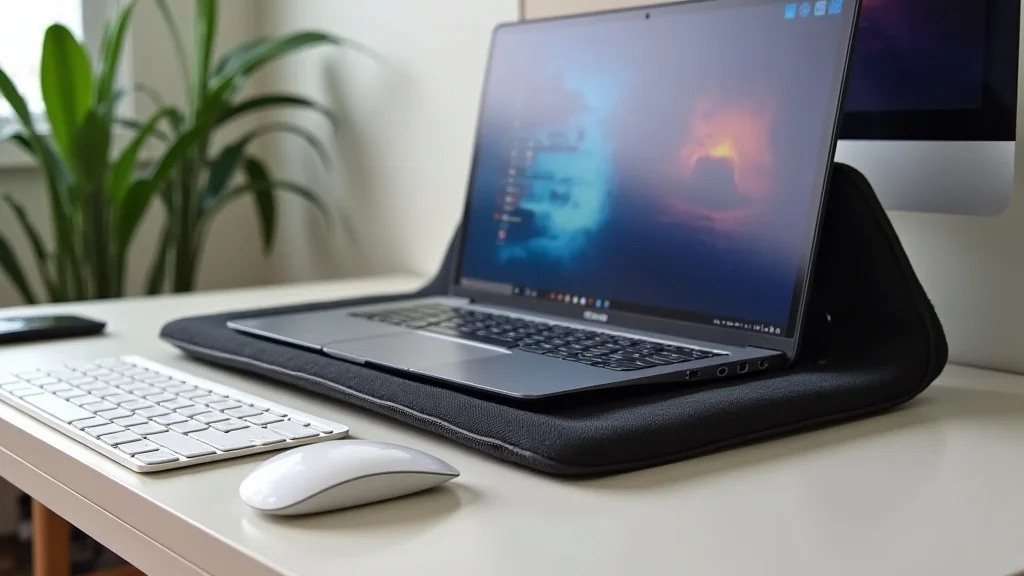
Ever feel the heat radiating from your laptop after a long day of work or gaming? You’re not alone! Many users experience their laptops overheating, leading to performance issues and potential hardware damage. I recently noticed my 17-inch laptop was becoming incredibly hot during a video editing project. This prompted me to seek a solution, and that’s when I started exploring the world of laptop cooling pads. This guide will help you select the ideal laptop cooling pad 17 inch, ensuring your device runs smoothly and efficiently.
Key Takeaways
- Explore the crucial elements of selecting an effective laptop cooling pad.
- Discover the significant benefits of using a cooling pad to optimize your laptop’s performance.
- Become familiar with various types of cooling pads, including their strengths and weaknesses.
- Learn about essential factors like fan types, materials, and size compatibility.
- Learn about additional features to consider, such as noise levels and power sources.
- Find out how to maintain and clean your cooling pad for long-term usability.
Why You Need a 17 Inch Laptop Cooling Pad
Modern laptops, especially those with powerful processors and graphics cards, generate a substantial amount of heat. This heat can negatively affect performance, leading to slowdowns, crashes, and ultimately, a shortened lifespan for your device. A 17-inch laptop, being larger, often has more components packed closely together, potentially leading to increased heat buildup. A laptop cooling pad 17 inch is an accessory to combat this issue, helping to maintain optimal operating temperatures.
The core function of a cooling pad is to dissipate heat, preventing your laptop from overheating. This is achieved through various designs, primarily incorporating fans that circulate air, drawing heat away from the laptop’s underside. By keeping the laptop cooler, you can ensure that the internal components operate at their intended speeds, allowing for a better user experience and extending the longevity of your device.
The Detrimental Effects of Overheating
When a laptop overheats, it triggers thermal throttling. This is a safety mechanism built into the CPU and GPU, which reduces clock speeds to lower temperatures. While it protects the hardware from damage, thermal throttling significantly hampers performance. For instance, in gaming, this can lead to reduced frame rates, creating a less smooth and enjoyable experience. The same applies to other demanding applications such as video editing or 3D modeling, causing delays and making the system sluggish.
Long-term overheating can also cause several hardware problems. The continuous exposure to high temperatures may damage internal components like the CPU, GPU, and hard drive. This can manifest as system instability, data loss, or complete hardware failure. In the worst-case scenario, this means expensive repairs or even replacing the laptop entirely. Preventing overheating is a worthy investment, preventing costly repairs down the road.
- Performance Degradation: Overheating leads to thermal throttling, slowing down the CPU and GPU, which reduces performance in demanding tasks like gaming or video editing.
- Hardware Damage: Prolonged exposure to high temperatures can degrade or damage components such as the CPU, GPU, and hard drive, resulting in system crashes, data loss, or hardware failure.
- Reduced Lifespan: Constant overheating can accelerate the wear and tear on components, thus shortening the lifespan of your laptop.
- System Instability: Frequent overheating may cause system crashes, freezes, and other forms of instability, making your laptop unreliable.
The Cooling Pad Solution
A laptop cooling pad 17 inch provides a straightforward, effective solution to the problem of laptop overheating. These pads come in various designs, all aiming to increase airflow and dissipate heat. They are designed to sit beneath the laptop, creating space for ventilation and actively cooling the underside of the device. The active cooling features, such as built-in fans, ensure that the heat generated by the laptop is drawn away, preventing it from building up to dangerous levels. These pads don’t require any special software installations or complicated setup, making them very accessible to any laptop user.
Choosing the right cooling pad can depend on factors like your laptop’s heat output, the types of tasks you perform, and your budget. Some cooling pads feature advanced cooling solutions such as multiple fans, adjustable speeds, and ergonomic designs that provide better airflow and comfort. The benefits extend beyond cooling itself, as these pads often have other helpful features, such as USB hubs or adjustable height settings. Cooling pads are a simple yet practical addition to your workstation that can have an important impact on how your laptop runs and feels.
Types of Laptop Cooling Pads
Cooling pads are not a one-size-fits-all solution; different types exist to cater to different requirements and preferences. Each type has its design and advantages, focusing on how they improve cooling performance and user experience. Some pads have fans, and others are more passive, relying on heat-dissipating materials. Knowing each type can help you decide which one best suits your needs.
Fan-Based Cooling Pads
Fan-based cooling pads are the most common type and the most effective for active cooling. They typically contain one or more fans that circulate air under the laptop, drawing heat away from the device’s underside. The number and size of the fans can vary, affecting the cooling power. Some models also have adjustable fan speeds, letting users control the level of cooling and noise. These pads are usually powered by USB, making them easy to use without requiring an external power supply.
The effectiveness of fan-based pads can vary. The positioning of fans and their airflow design can significantly affect cooling efficiency. Some models direct airflow upward, directly at the laptop’s vents, which leads to better heat dissipation. It’s important to consider factors like fan speed, noise levels, and the overall design when picking a fan-based cooling pad. In general, these pads give a noticeable drop in temperature, making them a worthwhile investment for heavy laptop users.
- Single-Fan Cooling Pads: These pads have one large fan that covers the base of the laptop. They’re typically more affordable but may not offer the most even cooling, especially for laptops with heat-generating components concentrated in specific areas.
- Multi-Fan Cooling Pads: Equipped with multiple smaller fans, these pads provide a more even cooling distribution. They are effective because the varied placement can focus on areas where heat buildup is the highest.
- Adjustable Fan Speed: Many fan-based pads provide options for adjusting the fan speed. This is helpful if you want to balance cooling performance with noise levels. For light tasks, you may choose a lower speed for a quieter experience.
Passive Cooling Pads
Passive cooling pads don’t have fans. Instead, they rely on materials like aluminum or other heat-conductive components to absorb and dissipate heat. These pads are often quieter than fan-based models because there are no moving parts. They typically use a flat design and are less bulky, making them a good option for portability.
Even though passive cooling pads are silent and simpler in design, their cooling performance is generally less than that of fan-based pads. They work by absorbing heat from the laptop and then radiating that heat into the environment. This type of cooling is less efficient, especially for laptops that generate a lot of heat. They may still offer some improvement over using a laptop directly on a flat surface, but they are not the ideal choice for heavy users or gamers.
- Material Matters: The materials used in passive cooling pads play a key part in their effectiveness. Aluminum is a popular choice due to its high thermal conductivity, allowing it to absorb heat rapidly and then release it. Other materials, such as graphite, are also used for improved heat transfer.
- Surface Design: Surface designs such as perforated or raised surfaces help improve airflow, aiding heat dissipation. Even without fans, improved airflow can increase the cooling capabilities of passive cooling pads.
- Portability: Passive cooling pads are often lightweight and flat, making them highly portable. They can be conveniently carried in laptop bags without adding much bulk or weight.
Essential Features to Consider for a 17 Inch Laptop Cooling Pad
Selecting the right laptop cooling pad 17 inch means more than just choosing a model with fans. Several features can significantly affect a pad’s effectiveness, comfort, and ease of use. This section will guide you through the essential elements to help you choose a cooling pad that perfectly matches your requirements and guarantees an ideal user experience.
Fan Type and Placement
The type and positioning of fans are critical to the efficiency of a cooling pad. Cooling pads can use various fan designs, from single large fans to multiple smaller ones. The placement of the fans also plays a significant role in heat dissipation. Some pads are designed to push air upwards toward the laptop’s vents, while others pull air away from the bottom. The most effective designs often integrate a combination of both approaches, optimizing airflow where it’s needed most.
Consider the noise level. While more fans often mean better cooling, it can also lead to more noise. Some cooling pads feature adjustable fan speeds that let you balance performance and noise. For light tasks, you can reduce fan speed to get a quieter experience. When choosing a cooling pad, look for detailed information on fan placement and noise levels to confirm they meet your needs.
- Fan Size: Larger fans usually move more air at lower speeds, meaning they are often quieter. Smaller fans might offer more concentrated cooling but can be noisier.
- Fan Speed: Adjustable fan speeds give you control over both cooling and noise levels. Choose a pad with options for low, medium, and high speeds, allowing you to tune the cooling performance for different tasks.
- Airflow Direction: Some pads direct air upward towards the vents, while others pull air away. The best designs combine different airflow strategies for maximum effectiveness.
Build Materials and Design
The materials used in a laptop cooling pad 17 inch have a big impact on its durability and effectiveness. The most common materials include plastic, aluminum, and a combination of both. Aluminum is especially effective in dissipating heat because of its high thermal conductivity. It quickly absorbs heat from the laptop, helping to cool it faster.
The design of the cooling pad also plays a role in its function. A well-designed pad will have a mesh or perforated surface, enabling better airflow. It may also have an ergonomic design, such as an adjustable tilt, to improve comfort while typing and viewing the screen. Good design goes hand in hand with the choice of materials. Consider how the materials will hold up and how the design will affect performance.
- Aluminum: Highly effective at dissipating heat. It is a more costly material but often the best option for users seeking optimal cooling performance.
- Plastic: More affordable and lightweight than aluminum. The cooling ability of plastic depends on its design and the addition of fans.
- Mesh or Perforated Surfaces: Important for allowing airflow to pass through and preventing heat buildup. These designs maximize the cooling efficiency of the pad.
Size and Compatibility
Ensuring the cooling pad fits your 17-inch laptop is essential. Cooling pads are often sized to fit laptops of specific dimensions. A pad designed for smaller laptops might not provide adequate coverage, thus reducing its effectiveness. On the other hand, a pad that is too large may be unwieldy and take up too much desk space.
Carefully evaluate the dimensions of your laptop and then compare them to the listed sizes of cooling pads. Check for additional features, like adjustable clips or straps, to hold the laptop securely in place. Confirming the right fit is about more than just matching the screen size; it means ensuring proper coverage and support. Selecting the correct size keeps your laptop stable and allows the cooling pad to do its job effectively.
- Measure Your Laptop: Know the exact dimensions of your 17-inch laptop, including its width, depth, and any protrusions.
- Check Pad Dimensions: Compare your laptop’s measurements with the product specifications of the cooling pad to ensure a good fit.
- Consider Placement of Vents: Look at where the vents are on your laptop. A good cooling pad design should align with these vents to maximize airflow and cooling.
Additional Features to Look For
While cooling performance is the primary goal of a laptop cooling pad 17 inch, other features can improve its value and user experience. Additional functions can add convenience, improve comfort, and increase the pad’s usability. This section discusses some valuable features you should consider when selecting a cooling pad.
Noise Levels
Noise level is a factor, particularly if you’ll be using your laptop in a quiet environment. Fan noise can vary significantly among different cooling pads. Some models have quiet fans, making them nearly silent during operation, while others can be quite loud, which can disrupt your work or gaming sessions. Noise levels are measured in decibels (dB), so knowing what’s considered quiet can help you choose the right pad.
Many cooling pads advertise their noise levels. Consider what is acceptable for your needs. A cooling pad that produces around 20-30 dB is usually considered quiet. Look for models with adjustable fan speeds. They let you adjust the fan’s speed, thus managing both cooling performance and noise. When selecting a cooling pad, carefully review product specifications for noise levels to confirm they align with your requirements.
- Decibel (dB) Ratings: Use dB ratings to compare noise levels between different cooling pads. Lower dB values indicate quieter operation.
- Adjustable Fan Speeds: They give you the option to choose lower fan speeds for quietness when performing less intensive tasks.
- Fan Quality: Higher-quality fans are often better designed to operate quietly. Consider pads with high-quality bearings.
Ergonomics and Comfort
Comfort is a key consideration, especially if you spend hours using your laptop. Look for cooling pads with ergonomic designs, such as adjustable tilt settings. These features can raise the laptop to a more comfortable viewing angle, which can reduce strain on your neck and back. An ergonomic design not only enhances comfort but can also improve posture.
Additional features like non-slip surfaces and wrist rests can add to comfort. Non-slip surfaces keep the laptop from sliding. A wrist rest can give additional support while typing. When considering a cooling pad, look for features that make the product more comfortable to use for longer durations. This will improve your well-being and productivity.
- Adjustable Tilt: Allows you to raise the laptop to a comfortable viewing angle. This helps reduce neck strain and improves posture.
- Non-Slip Surfaces: Ensures your laptop remains stable on the pad, preventing accidental slips and falls.
- Wrist Rests: Provide extra support for your wrists while typing, thus reducing strain.
Power Source and Connectivity
The method of powering a cooling pad affects its convenience and usability. Many cooling pads are powered via USB, which offers simplicity. They usually plug into one of your laptop’s USB ports, making them easy to use without requiring an external power outlet.
Some models have an external power supply to achieve higher fan speeds. These pads generally offer greater cooling capability but need an additional power outlet. Take into account the number of USB ports available on your laptop and how you want to manage power cords. Some cooling pads come with integrated USB hubs, which can add extra ports and improve the pad’s usefulness.
- USB Power: Very convenient, but it can draw power from your laptop.
- External Power: Offers higher fan speeds, but needs an external power outlet.
- USB Hubs: Provide additional ports, which helps extend your laptop’s connectivity options.
Maintenance and Care for Your 17 Inch Laptop Cooling Pad
Proper care and maintenance of your laptop cooling pad 17 inch are critical to extend its life and ensure peak performance. Regular cleaning prevents dust and debris from accumulating, thus keeping the fans running efficiently. By following the care guidelines, you can ensure your cooling pad continues to effectively cool your laptop and that you will receive lasting benefits.
Cleaning and Dust Removal
Dust is the number one enemy of any cooling pad. Dust accumulation reduces airflow, which lowers the cooling efficiency of the fans. It also increases the risk of the fans becoming stuck or damaged. Cleaning your cooling pad regularly is a simple but important task that will ensure optimal performance.
To clean your cooling pad, start by unplugging it from the power source. Use a soft brush or a can of compressed air to remove dust from the fans and vents. For pads with removable filters, make sure you clean those filters regularly to prevent dust buildup. Use a damp cloth to clean the exterior surfaces of the pad. Never use harsh cleaning agents. Cleaning is a simple task that can significantly extend the life and efficiency of your cooling pad.
- Unplug the Pad: Always disconnect the cooling pad from the power source before cleaning to prevent electrical shock.
- Use a Soft Brush: Use a soft-bristled brush to gently remove dust from the fan blades and vents.
- Compressed Air: Use compressed air to blow out dust from hard-to-reach areas and fan blades.
Preventive Measures and Storage
Preventative maintenance goes beyond cleaning and can extend the life of your cooling pad. Ensure the pad is stored safely when not being used. Preventing exposure to extreme temperatures and moisture can also help protect the pad’s components. Following these simple steps will extend the life and effectiveness of your cooling pad.
When you are not using the cooling pad, store it in a cool, dry location. Prevent it from being exposed to direct sunlight or moisture, which could damage the components. When transporting your laptop with the cooling pad, make sure the pad is protected from physical shocks and impacts. These measures help to protect your investment and maintain the cooling pad’s operational effectiveness.
- Safe Storage: When not in use, store the cooling pad in a cool, dry place.
- Avoid Extreme Temperatures: Keep the cooling pad away from extreme heat and direct sunlight.
- Handle with Care: When moving your laptop with the cooling pad, make sure the pad is shielded from physical impacts and other potential damage.
Common Myths Debunked
Myth 1: All Cooling Pads Are the Same
In reality, not all cooling pads are made equal. The effectiveness varies greatly depending on the design, materials, and features. Some models are made of low-quality materials and don’t provide adequate cooling. Others have advanced designs with multiple fans, adjustable speeds, and ergonomic features that ensure better cooling and user comfort. When choosing a cooling pad, think about the specific features to confirm the pad meets your requirements.
Myth 2: Cooling Pads Will Make Your Laptop Freezing Cold
A cooling pad is designed to bring your laptop down to its recommended operating temperature, not to make it freezing. The goal is to avoid overheating and the resulting performance issues and potential damage. A good cooling pad will drop the temperature, and the effect will be more noticeable if your laptop is under heavy load. The cooling pad helps stabilize the laptop’s temperature, thus maintaining a consistent performance level.
Myth 3: Cooling Pads are Only for Gamers
While gamers can significantly benefit from using a cooling pad, they are also useful for many other people. Anyone who uses a laptop for extended periods or runs demanding applications can benefit from them. People who work with video editing, graphic design, and other tasks will find that cooling pads help maintain performance and extend the lifespan of their laptops. Cooling pads are a helpful accessory for anyone who wants to prevent overheating and improve the longevity of their device.
Myth 4: A Cooling Pad Will Immediately Fix All Performance Issues
A cooling pad can enhance the performance of a laptop that is overheating. However, other factors can cause performance problems. If your laptop is slow, you should also consider other possible causes, such as outdated software, storage issues, or malware. While a cooling pad will assist with heat-related issues, it won’t be a solution for problems caused by any other reason. Make sure to assess all elements that might affect your laptop’s performance.
Myth 5: All Laptops Will Benefit From a Cooling Pad
Most laptops can benefit from a cooling pad, especially those with powerful components that generate a lot of heat. However, some laptops might not need a cooling pad as much as others. For example, ultraportable laptops with low-power components can generate less heat and might not need extra cooling. The benefits of using a cooling pad depend on the laptop’s build and intended use. Assess the specific needs of your device to see whether a cooling pad would be a good investment.
Frequently Asked Questions
Question: How do I know if my laptop is overheating?
Answer: Common signs include the laptop feeling very hot to the touch, experiencing performance slowdowns, or the fans running loudly and constantly. You may also get error messages or experience system crashes.
Question: What’s the best fan configuration for a cooling pad?
Answer: Multi-fan configurations with adjustable speeds are typically the best, as they provide more even cooling and allow for control over noise levels.
Question: Is it safe to leave a cooling pad running all the time?
Answer: Yes, it is generally safe to leave a cooling pad running. They are designed to operate continuously. However, make sure to clean it regularly to prevent dust buildup.
Question: Do cooling pads work with all laptop sizes?
Answer: Cooling pads are designed for particular laptop sizes. Ensure the pad you select is compatible with your laptop’s size. Check the pad’s dimensions before purchasing.
Question: How do I choose between a fan-based and a passive cooling pad?
Answer: Fan-based pads are more effective at active cooling. Passive pads offer a quieter experience and are a good option for people who only use light applications and do not produce a lot of heat.
Final Thoughts
Choosing the right laptop cooling pad 17 inch is an investment that contributes to the lifespan and efficiency of your device. We explored the different types of cooling pads available, emphasizing the features that set them apart. We looked at the advantages of fan-based and passive cooling pads, helping you understand their respective roles. We also considered the importance of fan type, build materials, and compatibility, all of which contribute to an effective and comfortable user experience. Additionally, the discussion about additional features, such as noise levels and power sources, should inform your selection process, ensuring your choice aligns with your work habits and the environment in which you use your laptop.
Now that you are familiar with the main features and choices, it’s time to find the right cooling pad for your 17-inch laptop. Take the time to assess your specific requirements, considering the tasks you perform and how often you use your laptop. Measure your device, review the product descriptions, and read customer reviews to gather the most pertinent information. By choosing a cooling pad with the right features and a design that suits your requirements, you can extend the life of your laptop, improve its performance, and enjoy a more comfortable work or gaming experience. Make your choice and feel the difference!